Research
Over the years, ISST has harnessed research to generate knowledge and deepen understanding, shedding light on critical issues related to women, work, childcare, adolescents, governance, and beyond. Our qualitative and quantitative studies have explored the intersections within the informal economy, supporting the entire ecosystem in advocating for rights-based policy frameworks. Through this work, ISST has established itself as a pivotal organization at the crossroads of research, action, and policy.
Ongoing studies
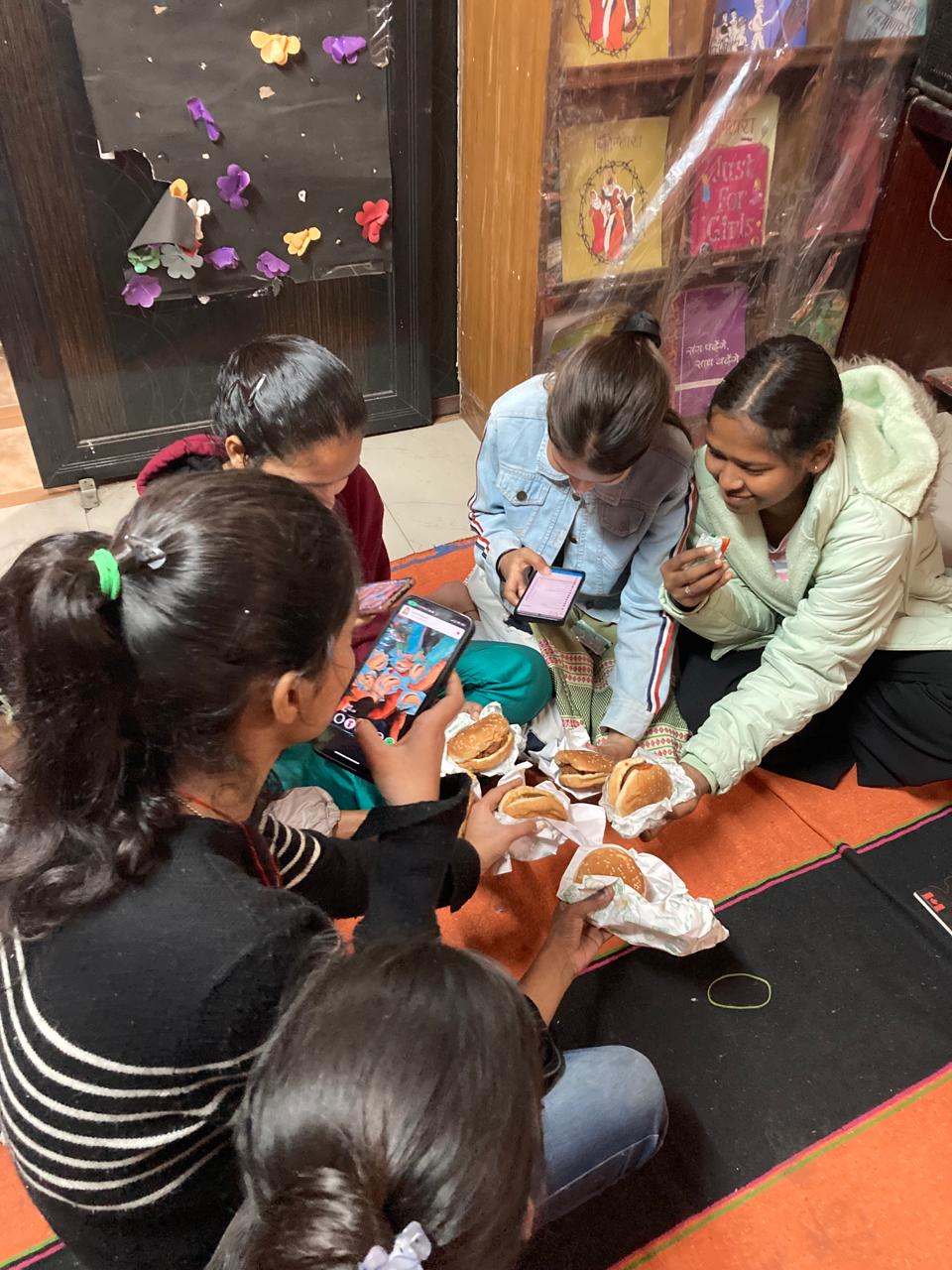
Analyzing Gender Disparities in Smartphone App Usage among Adolescents/Young Adults in Delhi
This mixed-method study delves into the nuanced exploration of the gendered dynamics surrounding smartphone app usage among adolescents and young adults in Kalyanpuri, Delhi. It explores the gendered patterns of access to smartphone devices, usage of smartphone apps, and the various control mechanisms imposed on users.
Research and Documentation On Care Ecosystem and Scalable Care delivery models
This project aims to address the critical issue of women’s unpaid care work by documenting effective practices and scalable care models at global, regional, and national levels, with the goal of generating evidence-based policy recommendations. The study will focus on 15 scalable care models for children, the elderly, and disabled persons, highlighting models supported by government, the private sector, and civil society organizations, focusing on high-quality, accessible and affordable services.
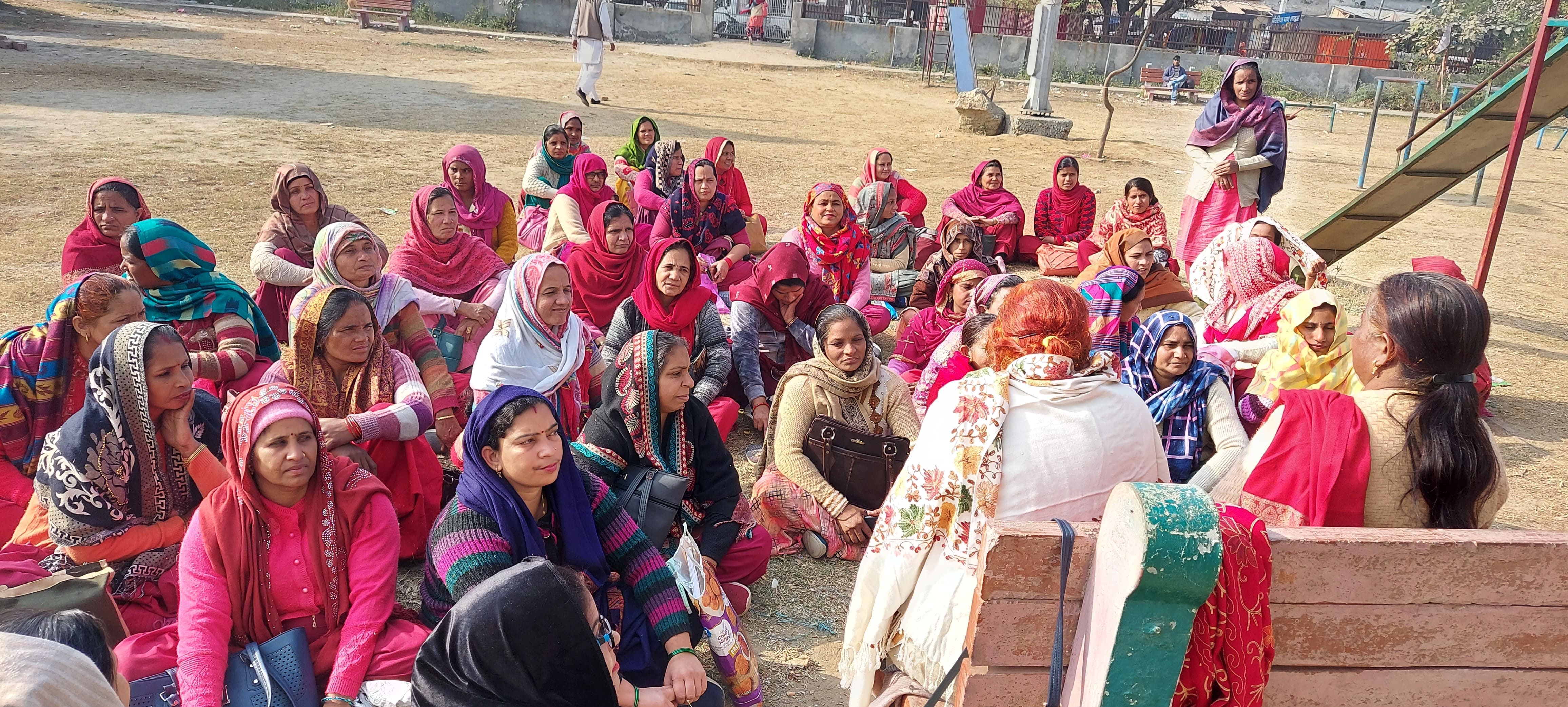
Digitalisation at the Frontlines: ASHAs' Experiences across Haryana, Rajasthan, Kerala, and Meghalaya
The study examines the diverse and complex process of digitalisation of work for ASHAs – frontline community care workers - across four states in India, highlighting the potential and challenges of digital skilling. While digital tools have streamlined payments and improved transparency, they have also increased workloads and revealed gaps in digital literacy and training. The study underscores the need for a more inclusive and supportive digital transition to foster women's full participation in these systems.
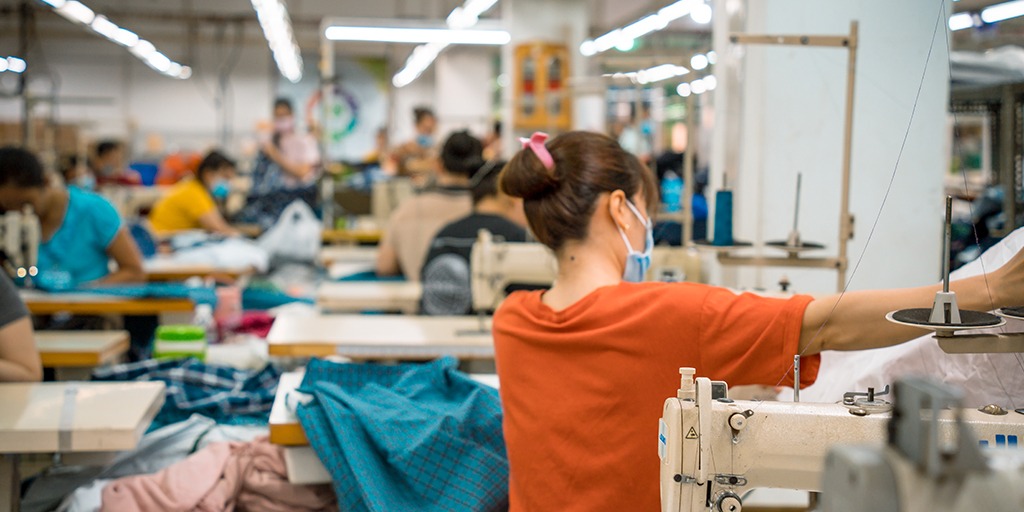
Scoping Study of the Delhi NCR Garment Sector: Mapping Different Actors in the Workplace Relations
This is a scoping study conducted in the Delhi NCR in the readymade garment industry. It is an export-oriented and labour-intensive industry with a feminised workforce. This study is focused on understanding the political economy of the industry in the Delhi NCR cluster and doing a mapping of different actors and their roles in influencing the labour practices in this sector.

Enabling Environments for NTL skilling of Women and Girls
The study examines the various factors that enable Non-Traditional Livelihood (NTL) skilling for women and girls. This research aims to provide a comprehensive perspective on the functioning of the skilling ecosystem for women and girls in Delhi. It aims to cover schools, ITIs, and skilling institutes run by private, state-supported, CSOs, and others using a gender transformative lens.

Sustaining Power: Women's Struggles against Contemporary Backlash in South Asia (SuPWR)
The Longitudinal study aims to generate empirical understanding on strategies and processes of the women’s movement in South Asia, in the face of backlash and counter-attacks from regressive social, political, and economic forces. The team is working alongside teams from other South Asian countries.
Please go through for details: INDIA - SuPWR
Research partners